

I will confess, my ambition for this project was simple. My novella, The Art of Conjuring, would release in September. Throughout the story, my protagonist takes many Polaroids of herself. The Polaroids are visions of a life that doesn’t yet exist, but might.
My protagonist is inspired by the Museum, a woman who has transformed her body into a living art exhibit. My protagonist wonders if she can turn her existence into something similar, if she can duplicate what the Museum has modeled, but make it her own. I also wanted to become something I had never been before, an author.
In the months leading up to the release of The Art of Conjuring, I decided to document myself, Polaroid by Polaroid, just as my protagonist does. My protagonist experiments in the comfort of her own home. She wants to know if there’s a world in which she looks in the mirror and sees something different. And if there is, that is the world she wants to live in.
In the coming months, I would turn from a private person to a public author, with a novella out in the world. A novella that felt so deeply personal, so interwoven with the person I saw myself to be when I wrote it, that I envisioned the release would be as vulnerable as stripping down naked in the middle of Times Square.
My goal in photographing myself was to chart the transition.
My life changed over the course of these photographs, perhaps because of them. Perhaps by pressing the button and photographing myself, I was calling in the change that would later arrive. Perhaps I was perching myself on a precipice. Perhaps I was daring fate to disrupt my life. Perhaps I opened a portal and once it was opened, it would not close.
But I am getting ahead of myself. As I said, the way it started was simple.
In the half year before the novella releases, I order a used Polaroid camera on EBay. I purchase packages of film, wrapped in plastic like popsicles, eight prints to a pack. Each image costs two dollars and eleven cents. Not exactly cheap, but there are worse ways to lose money.
A Polaroid seems straightforward, a quick and easy capture of a current moment. But I find quirks to the film. Colder images glow green, warmer images wash pink. Each photograph unfolds over no less than fifteen minutes. I must set up the shot, trigger the shutter, and forget.
I begin the Polaroid project in an apartment I rent with my partner. When we toured the apartment, I had finished writing The Art of Conjuring, but not yet sold it. At the time, I was an imaginary writer with one byline to my name. I believed in a future that no one could see but me.
Sometimes I miss being the person I was back then, the person who had no reality to rest on, just the loose thread of a dream. The novella existed in my head and on the screen of my computer and nowhere else in the world.
The apartment we rented was a place that arrived, as if by magic, the garden unit of a Brooklyn brownstone, complete with its own quiet backyard, a kind and considerate family living above. The neighbors next door had a decorative fountain. You could step outside and hear the soothing sound of running water at all hours. If we left the window open while we slept, the sound swam in, like a lullaby.
I often thought that there was nowhere in the world where I belonged, but life in that apartment made me feel differently. It was a life in service of our bodies and our minds, a life emptied of cheap escapism.
It was a life where we saw blooming flowers at the botanic garden and spent long sunsets at the beach. A life of quiet Friday nights and classical music played on Saturdays, dinners of grains and roasted vegetables, green plants in the garden and on the windowsill, pancakes cooked in the galley kitchen, strawberries cut into tiny, red hearts.
In many ways, my life came to fruition while I lived in that apartment. I sold The Art of Conjuring in that apartment. I turned twenty nine in that apartment, and then thirty, the ceiling covered in festive white and gold balloons.
I cried on that morning, when I saw the balloons. I felt so loved by my partner, so incredibly seen by that simple gesture. My parents, long suffering from rare neurodegenerative diseases, diseases that stole their minds and broke down their bodies, turning them into people I no longer knew, had not celebrated my birthday in a long time. My twenties had been draped in grief.
To wake at thirty to find my apartment lovingly decorated for my birthday, a surprise while I slept, I can’t exaggerate how meaningful that gesture was.
To think of it still makes me cry.
My grandmother, the only grandparent I shared the Earth with for much of my life, passed away the year I turned twenty-four. That same year, my father was diagnosed. My mother, diagnosed three years later.
For several years, it was as if each rope that tethered me to this Earth was being snipped, one by one. I was floating somewhere in space. There was nothing to hold me down.
I thought I had finally made it, tethered to a life of love in that beautiful brownstone. When I first moved in, I was still working in television, charging flights and coordinating car services, but those jobs soon disappeared and dried up.
I found other work, teaching yoga to adults and robotics to kids, work I enjoyed but paid me little to no money. Every month I looked at my bank account like it was a complex equation I could not solve.
I must have been living on borrowed time in that apartment, but perhaps that’s precisely why I loved it, because of how unattainable it had become, how fantastical. I had no business sitting in that spacious office, with the curved front windows and hardwood floors, where I took meetings for my book.
The apartment was a relic of a previous world, a wish on a life that I willed, improbably, to exist again. But still I wished for it, hard.
The Polaroids I take at first are nothing more than experiments. I don’t yet know what I am trying to capture. I take Polaroids standing up and sitting down. I take Polaroids inside the apartment, I take Polaroids outside of the apartment. I try facing the camera, then I try looking away.
In every Polaroid, I wear the same dress. It is a pink dress I bought at a secondhand store, but never wore out of the house. It is a dress I was going to wear if I was a different person, so I put it on inside my home, so that I may become someone new.
My protagonist is precise, for her collection she accumulates only items she will use. But I am imperfect. There are many Polaroids that become garbage. Polaroids that feel close to something, but not quite close enough.
At the end of February, after a month of wasted prints, I find the first Polaroid that feels resonant. It is an image of myself standing barefoot in the backyard, body curved with want, toes touching the melting snow.
It is not until a month later that the counterpart arrives. The images are taken on the exact same date, thirty days passing in between, snow giving way to sun, two polar opposites. Yet there is a mirror quality between them, a taste of the intangible, the way they both capture the part of me that is hidden, the part of me preparing to show itself.
I have always characterized my life by its flow of momentum. There are moments when several things align or break down, often in conjunction, and then moments of relative monotony, something that could be mistaken for peace.
I lose something right before I gain something. It has happened with jobs, apartments, and even publishing The Art of Conjuring. In the absolute despair of a certain loss, an opportunity that hadn’t previously existed decides to show itself, almost as if the tragedy were the key to unlocking it.
I begin the Polaroids in February, I end them in May. Within these four months, the home I’ve had for two years, the relationship I’ve had for three, both vanish. They don’t fall apart, per se, they exist and then they don’t, a thread sliced by a pair of scissors. A before and an after and nothing but empty space in between.
My partner confesses he wants to be alone, but still he asks to sleep beside me, to nestle his head into mine, to fold his body around my own, to bury a kiss between the strands of my hair. For one week I allow myself to live in this blissful state of limbo, hiding from the impending future, before I have the courage to ask Why?
He cannot say. He cannot say why he doesn’t want to be with me, but still wants to sleep in the same bed. He cannot say whether he sees a future for the two of us. He cannot say what it is that he wants.
The apartment is haunted by handwritten letters. I find them on the top of my desk and inside the drawers. Letters lying between the pages of my books, resting on the top of my headboard.
A secret language we exchanged. I painted cards for him, he drew them in return. We wrote when we were apart and wrote when we were together. We wrote for birthdays and holidays, for big life events and small ones, moments when we missed each other and moments when we had something wonderful to say.
I can’t bring myself to look at them, and yet I can’t throw them away either. I bind the letters together in a rubber band, bury them deep beneath my bed.
Loss begins to amplify my emotions, adding a fullness, as if the outlines have been contoured and colored in. I am surprised to find signs and symbols amidst conversations with friends, encouragement through the numbers on the clock, resonant messages in books that I read.
I start to notice that the moments I spend by myself carry a musicality. I hear the symphony of my cracked egg singing in the cast iron pan, water gurgling in the glass kettle, the percussive sound of my metal spoon chiming against the ceramic bowl, the fountain rush of the faucet.
Am I the same as the person in that first Polaroid?
In some ways I am still the same. I work the same jobs and I follow the same schedule. I pay my rent and lay my head down on the same pillow to sleep. I hang my coat by the same door and leave my shoes in the entry way. I water the same plants and set foot in the backyard.
But the texture of my life has changed.
Whenever I arrive to the apartment, find it empty, I put on the pink dress, attempt to capture the concaves of the current emotion. I reach down, scrape the bottom of the barrel, so that I may bottle up some of this gaping emptiness, bring it to the surface.
In the moments when I photograph myself, I have a purpose and a sense of belonging. Only in the Polaroids, can I capture the swell of loneliness. Only in the Polaroids, can I capture the ripple of lightness.
The volley of these emotions, like an atmosphere that is constantly shifting, but the Polaroids manage to pin it down. In each image, an infinitesimal reckoning, a moving towards the person I am supposed to be.
In our final four days living together, whatever goodwill we have so far savored sours, then curdles. It is fascinating to see how quickly I have transitioned from the object of my partner’s affection to the ire of his anger. In a fit of rage, he reveals there is someone else.
After weeks of wide-ranging confusion, suddenly everything shines with a sharp clarity. I find this experience oddly freeing. It is freeing to be lied to and yelled at, freeing to be avoided and ignored. There is no last remnant of love, no tenderness to hold onto.
There is nothing left for me, here in this home. I am finally free to go.
I once felt exceedingly lucky for the life I had in that brownstone apartment, though in many ways, I experienced nothing but bad luck while living there.
The dominoes fell, one after another, as my industry disappeared and my parents’ health declined and my bank account dwindled, all while I received constant rejections from every job I applied to. Each month my mailbox filled with warning letters that I left on my desk, reminders that the funding for my health insurance would soon dissolve.
I look back at the journal entries I wrote, seven months before the relationship ruptured, when everything was still intact, when life was wonderful. I am surprised to see, on each page, I have written: I feel so alone.
I find a new room in an old house, a sunlit space circled by trees. I don’t have the bank statements but I send an email to the landlord anyway. I say, I could envision having a fresh start here. Somehow, this works.
I am riding high on an illusion of the future. Others are buying in.
I receive the key the day I sign the lease, loop pink ribbon through the key head, in lieu of a keychain. I buy a ladder and a hammer and a gallon of paint. I sweat in the small, hot room, balancing high on the ladder, rolling peach-colored paint across the walls. I feel ecstatic with agency. I feel terrified of everything to come.
I bike with the gallon of paint. I get paint on the soles of my feet and the palms of my hands. I make mistakes. It is glorious to make mistakes. To try and fail and try again.
I take two final Polaroids, in front of the freshly painted wall.
I wrote many versions of The Art of Conjuring and in every version, the Museum leaves the protagonist. That detail never changes. But it is this loss that actualizes the protagonist, precisely this loss that makes her life possible.
I move into the new apartment, with the walls I painted, the floor I cleaned. The house is over one hundred years old. The walls are concrete-thick, the space completely silent.
I am embarrassed and proud at the same time. I am embarrassed to lose the home I loved, proud to have found a new one. I am embarrassed to be alone, proud to belong to myself. I am embarrassed to live in this little room in a shared apartment, proud to have made it mine.
I watch the feelings fight constantly, crescendo and cannibalize each other. I don’t try to escape, instead I write everything down. To move forward, I must believe wholeheartedly in myself. I must believe wholeheartedly in the power of my future. And I do.
On Luck
by SL Carroll
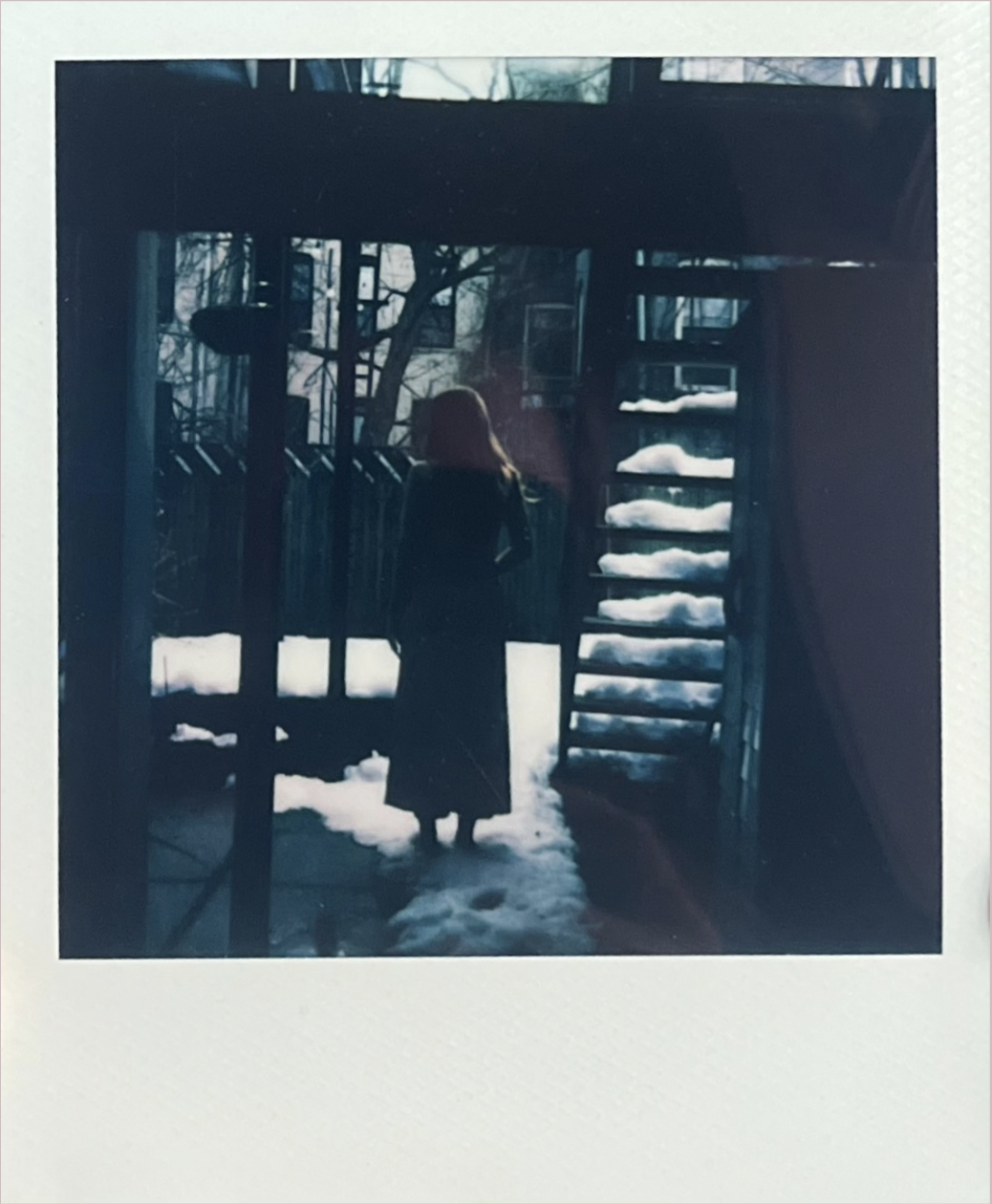
Untitled Polaroid Project #1
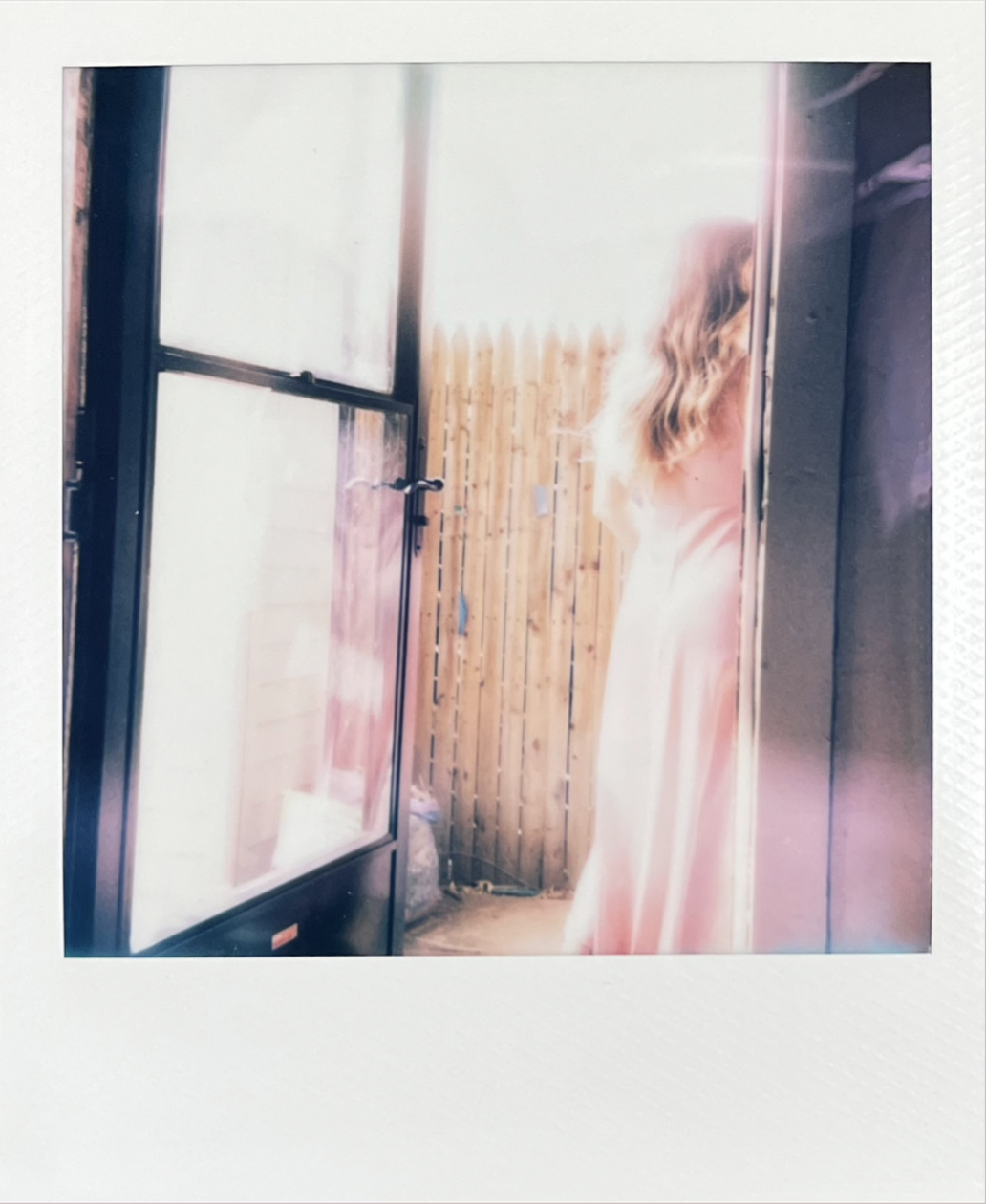
Untitled Polaroid Project #2
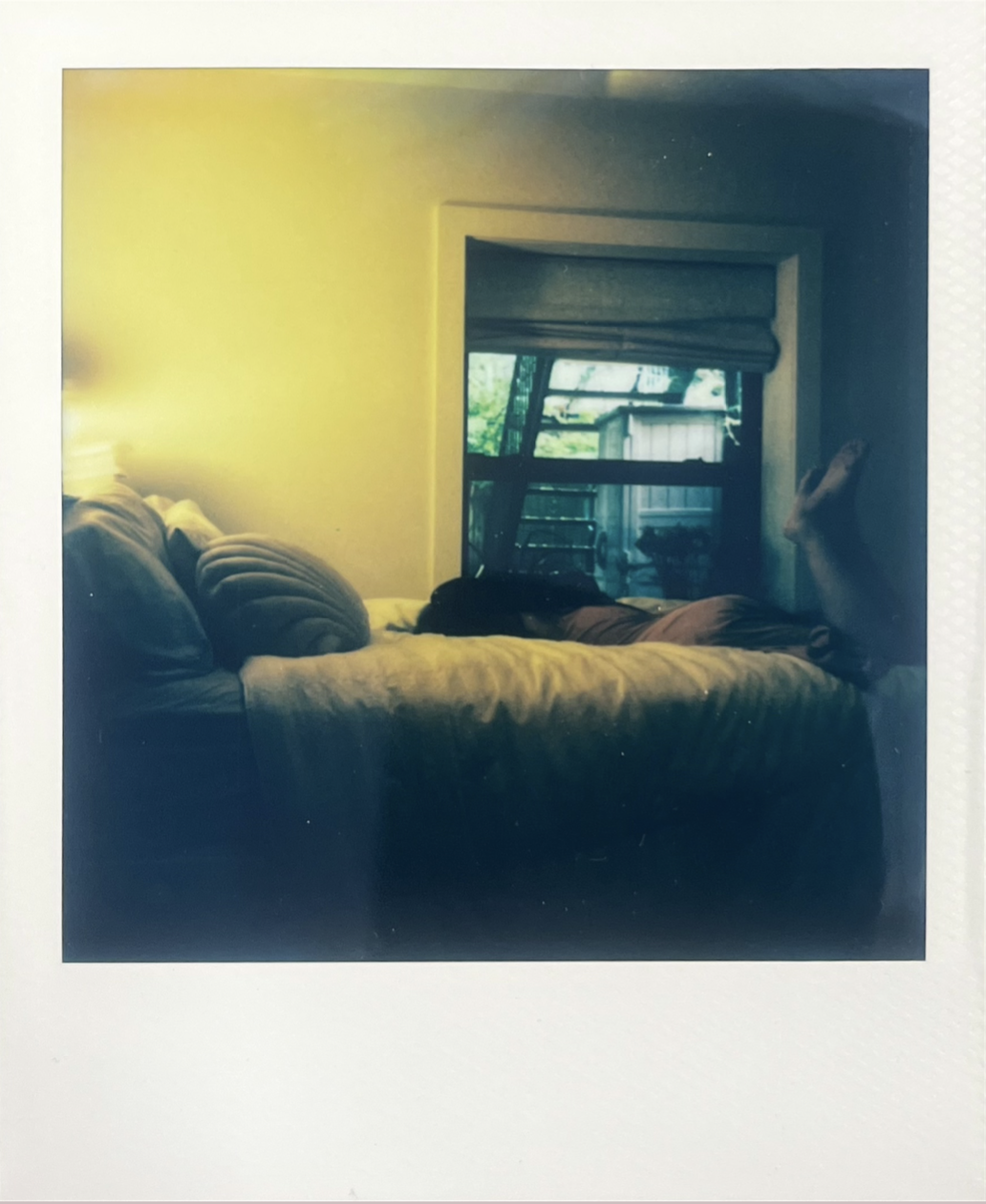
Untitled Polaroid Project #3
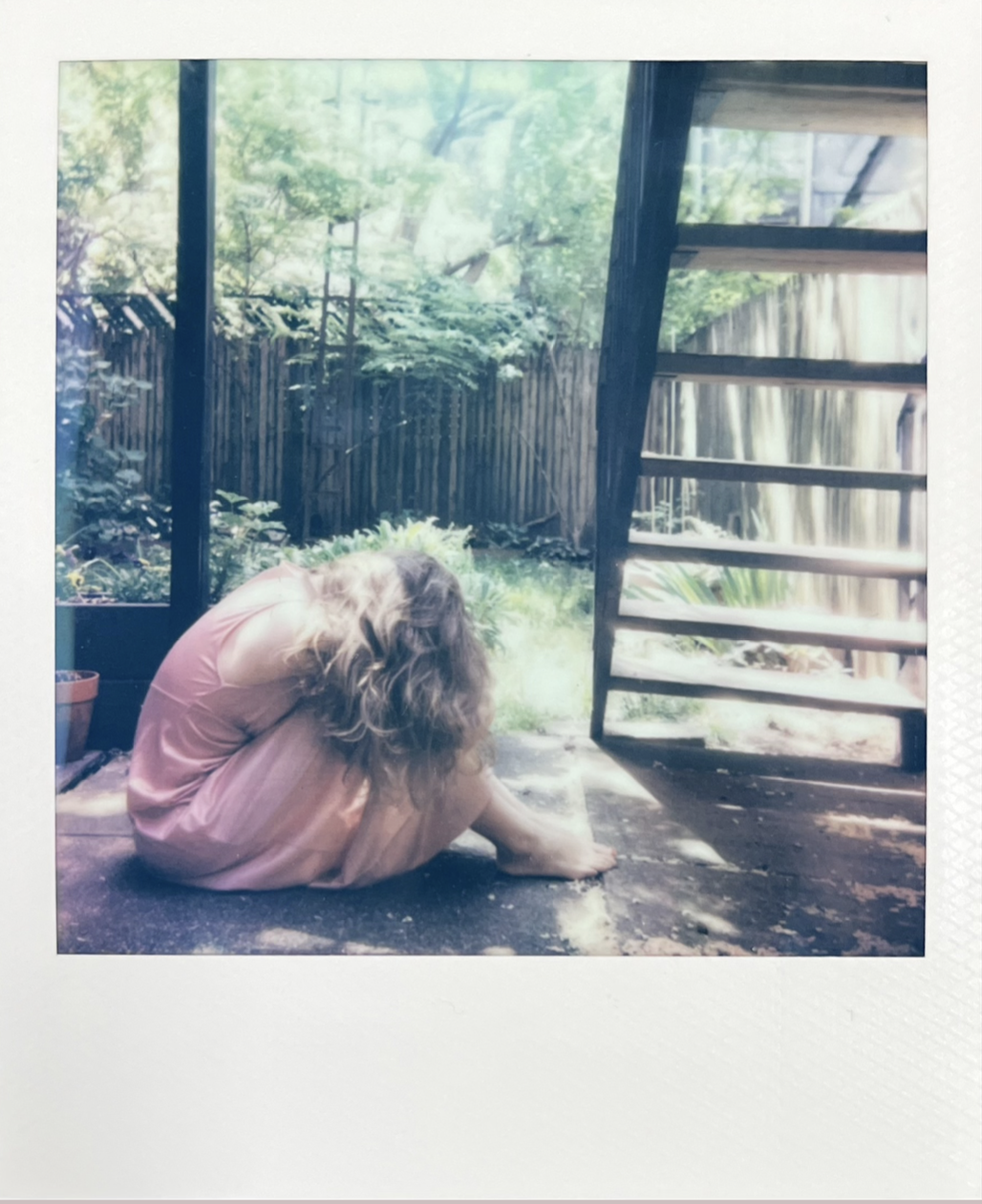
Untitled Polaroid Project #4
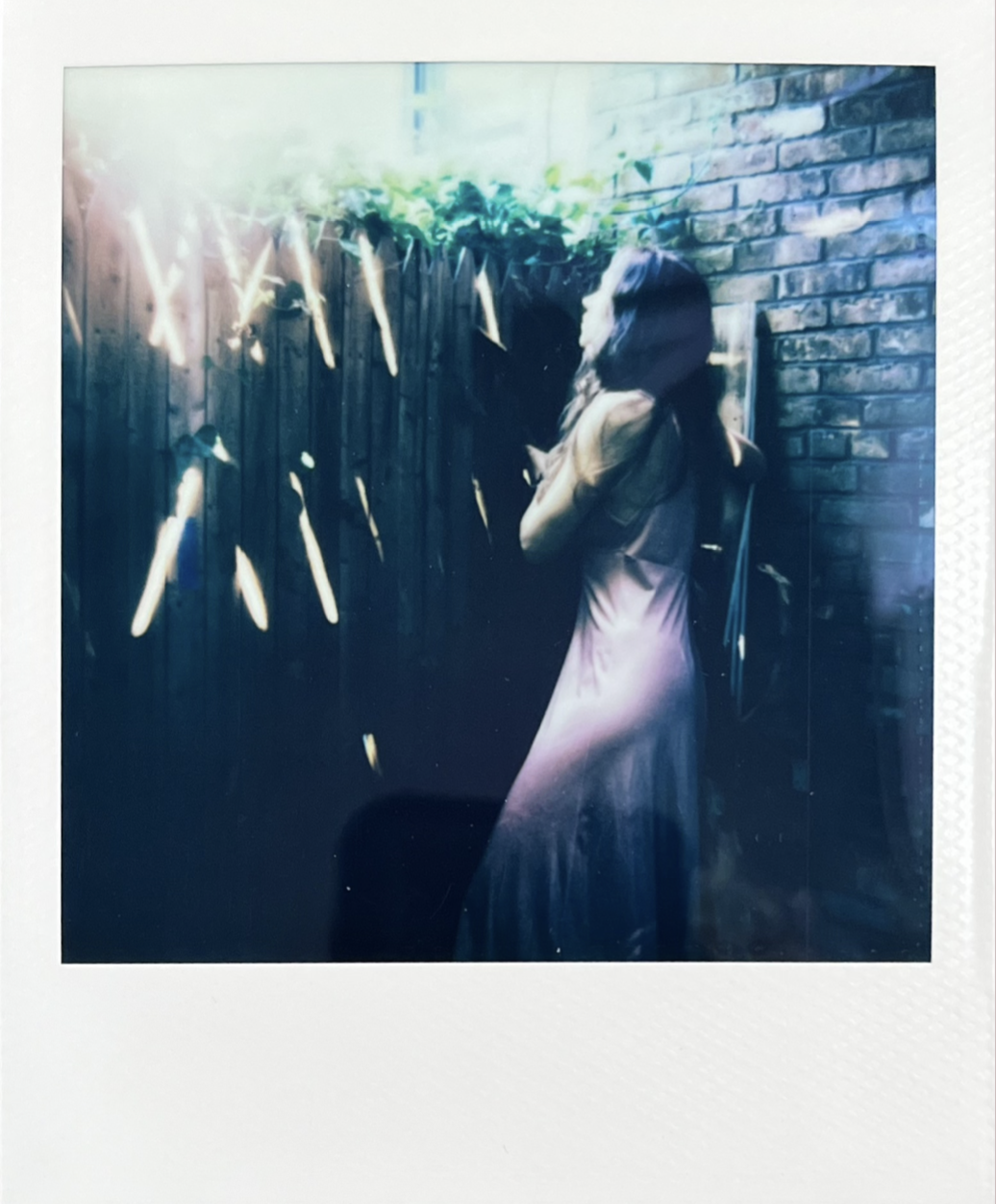
Untitled Polaroid Project #5
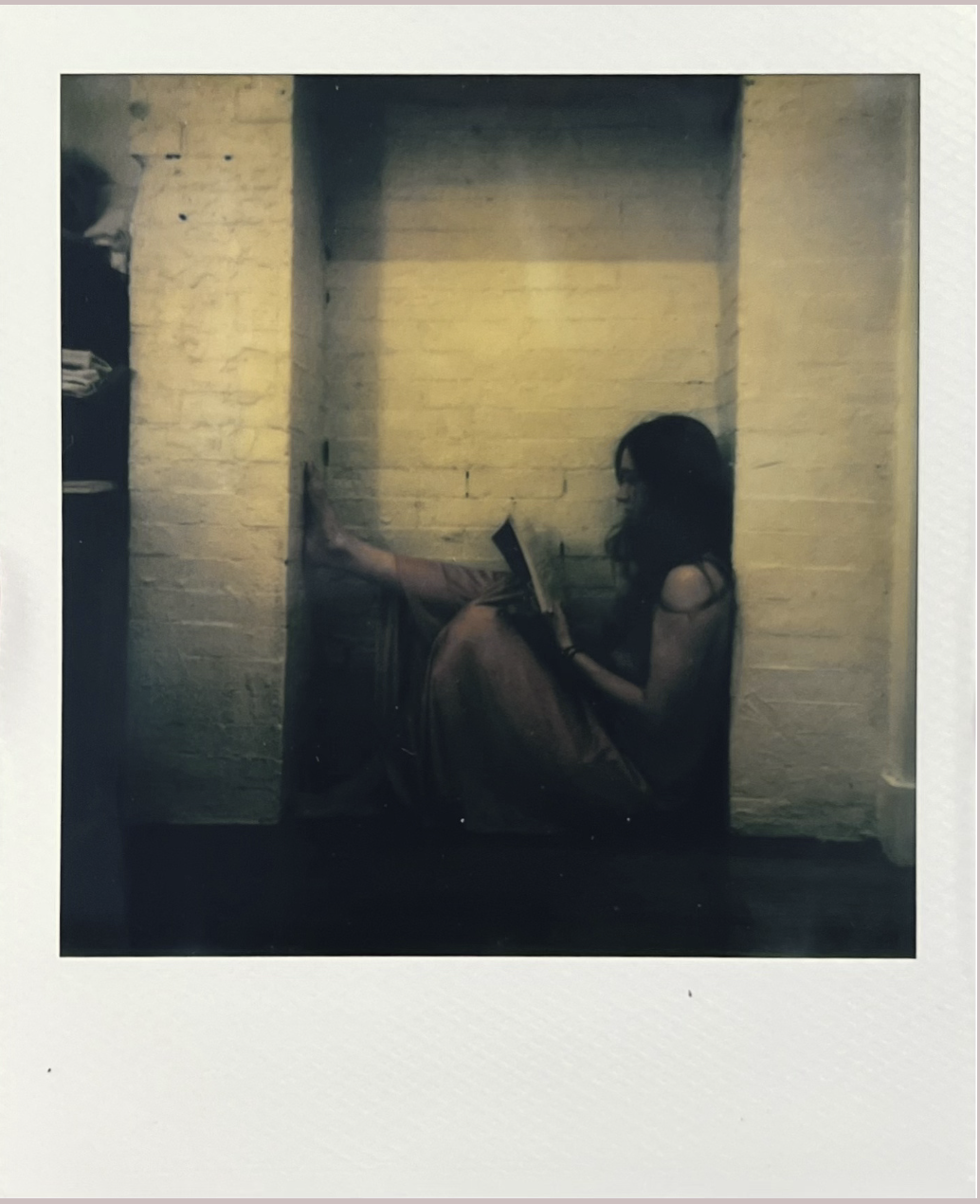
Untitled Polaroid Project #6
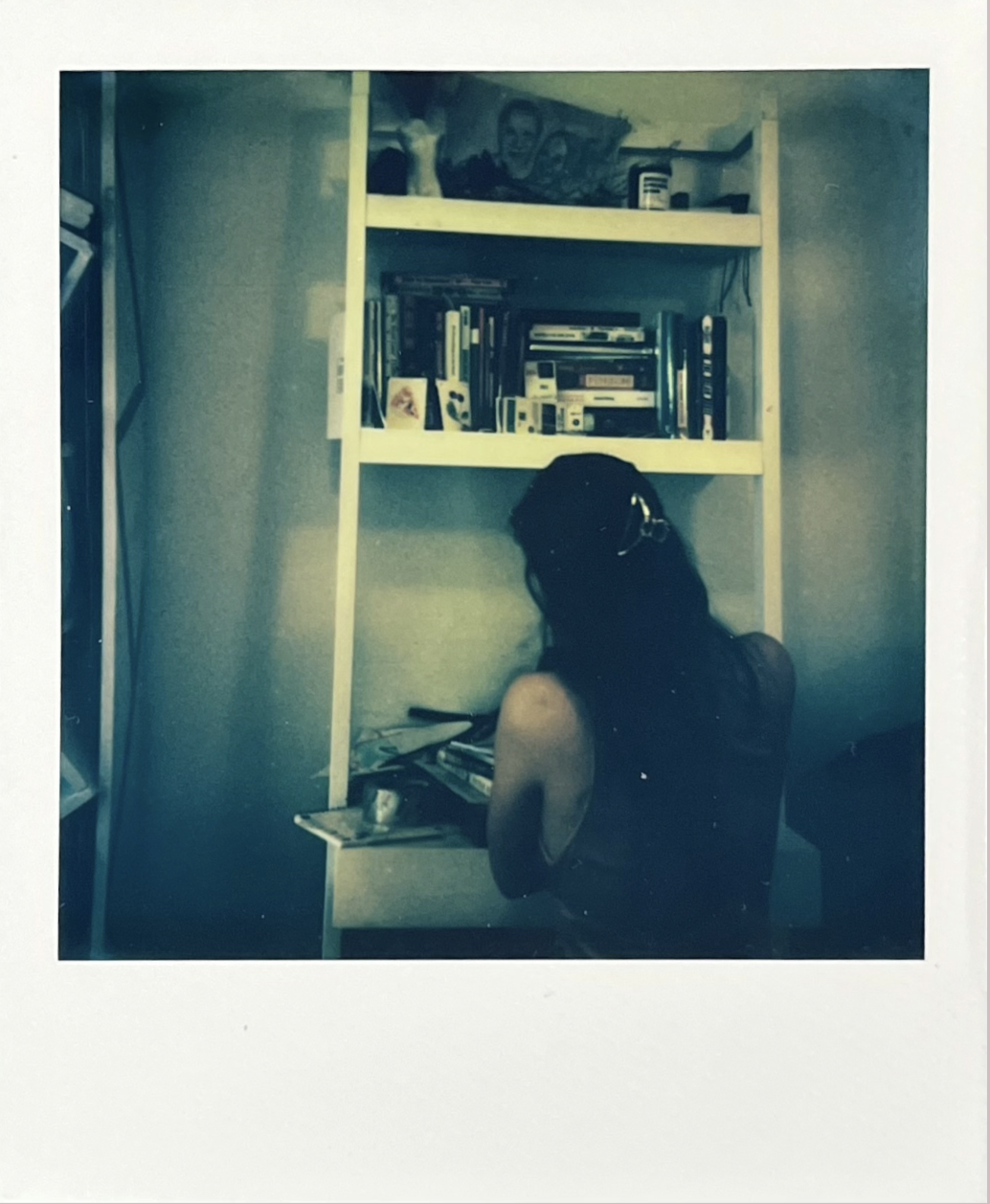
Untitled Polaroid Project #7
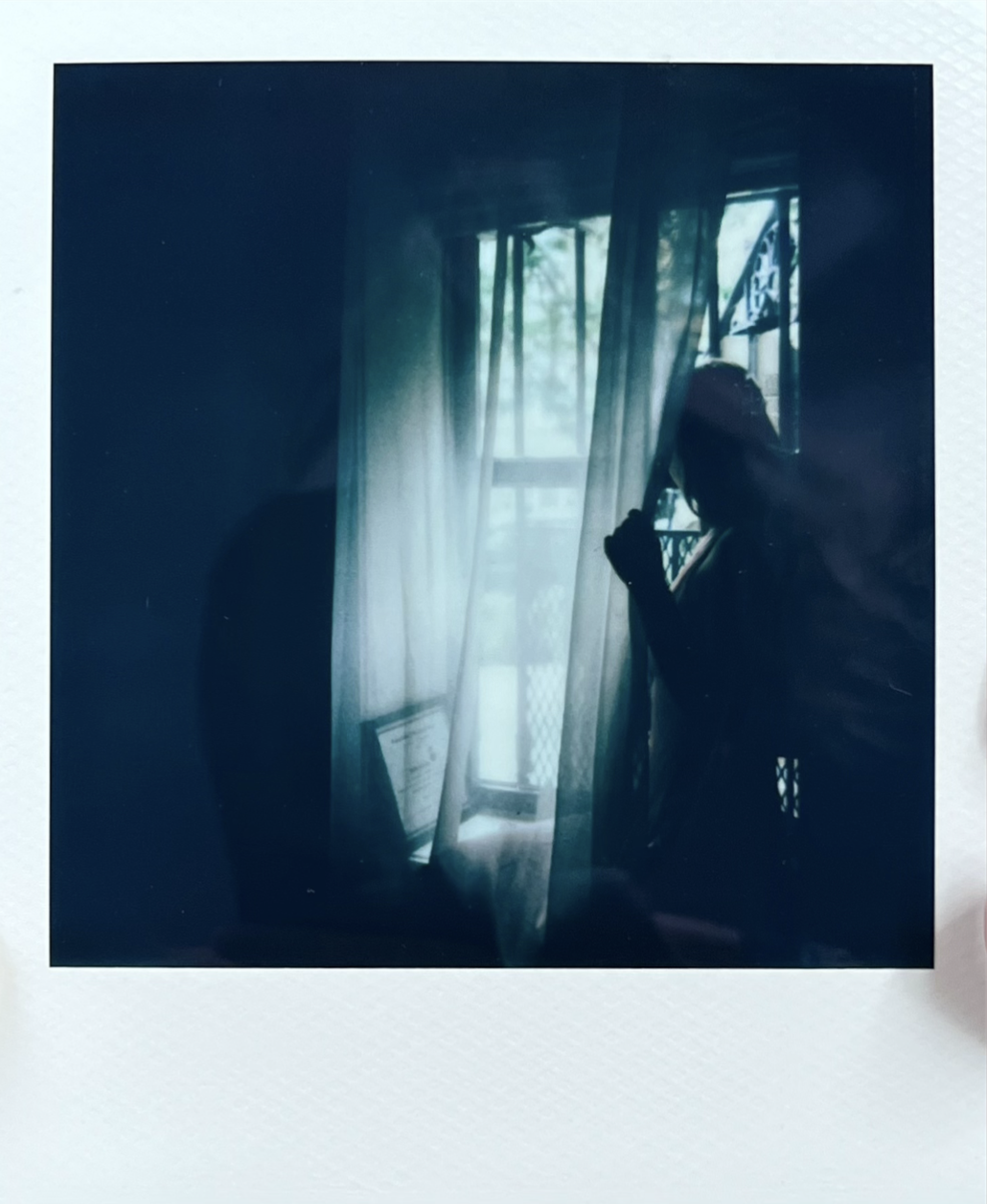
Untitled Polaroid Project #8
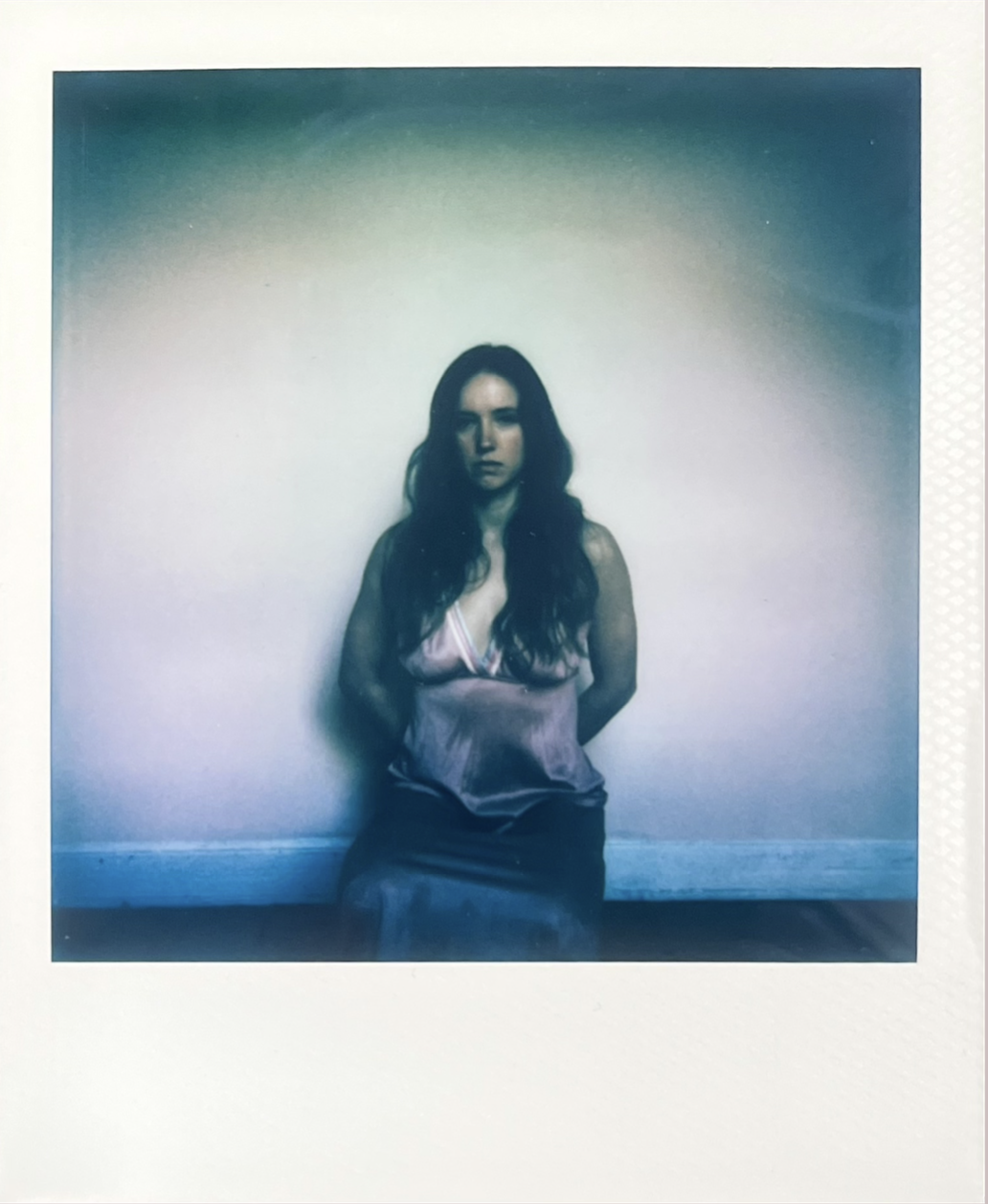
Untitled Polaroid Project #9
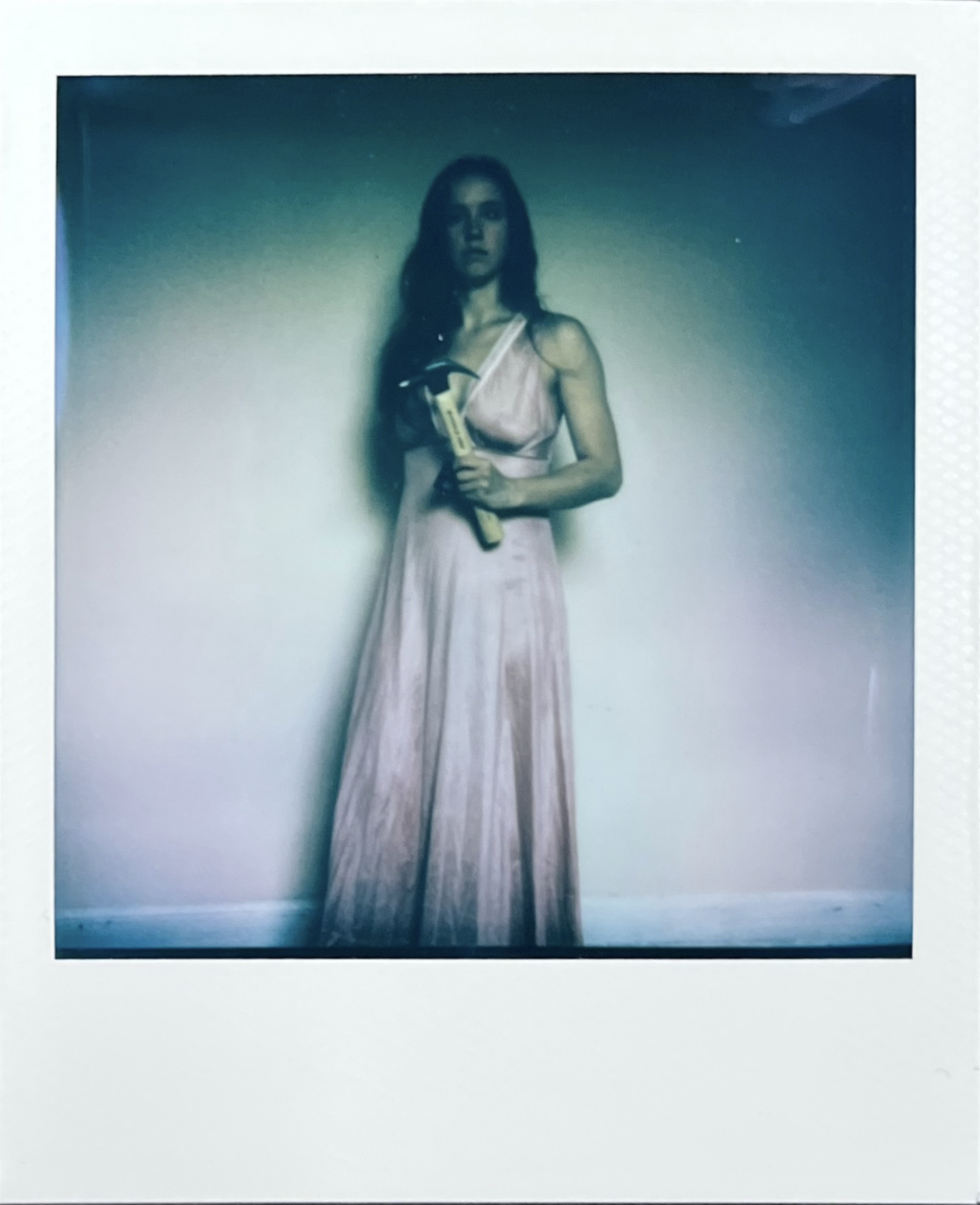
Untitled Polaroid Project #10

More writing by SL Carroll: The Art of Conjuring, Two Stories, and an Author Interview
SL Carroll (she / her) is a Brooklyn-based writer and multimedia artist. Her short story ‘Vanishing Act’ won first prize in swamp pink's Crazyshorts! fiction contest in 2021 and her short film ‘Altar Ego’ was screened in 2022 at Watershed Studios (Galway, Ireland). She is the author of The Art of Conjuring.